







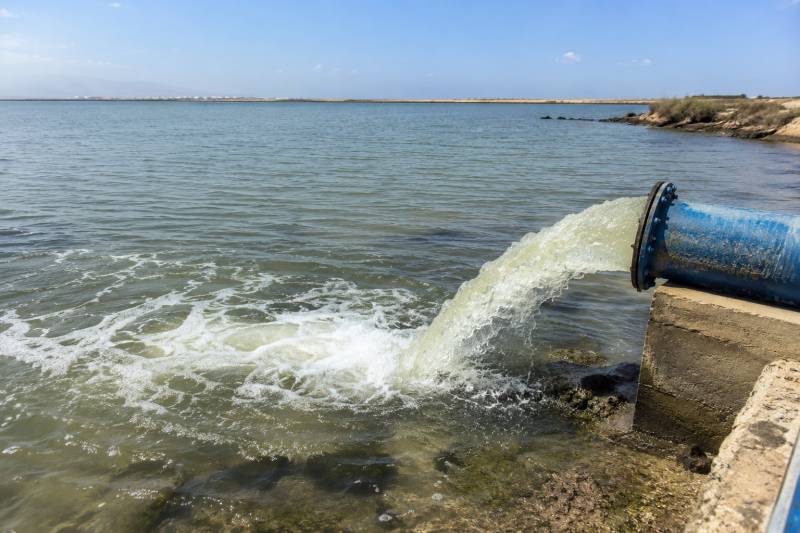












Murcia is preparing a new regional law to regulate pollution that flows into the sea from land-based sources such as wastewater treatment plants, desalination plants and industrial facilities along the coast.
The regulation is in its final drafting stage and will cover around thirty facilities that release water into the sea. It will set up a regional system for controlling coastal pollution, taking over much of the responsibility that has so far been handled under national coastal law.
The draft prohibits the discharge of untreated wastewater, solid waste and sludge from treatment plants into the sea. It also sets limits on pollutant concentrations for authorised releases, with permits subject to withdrawal if those limits are exceeded.
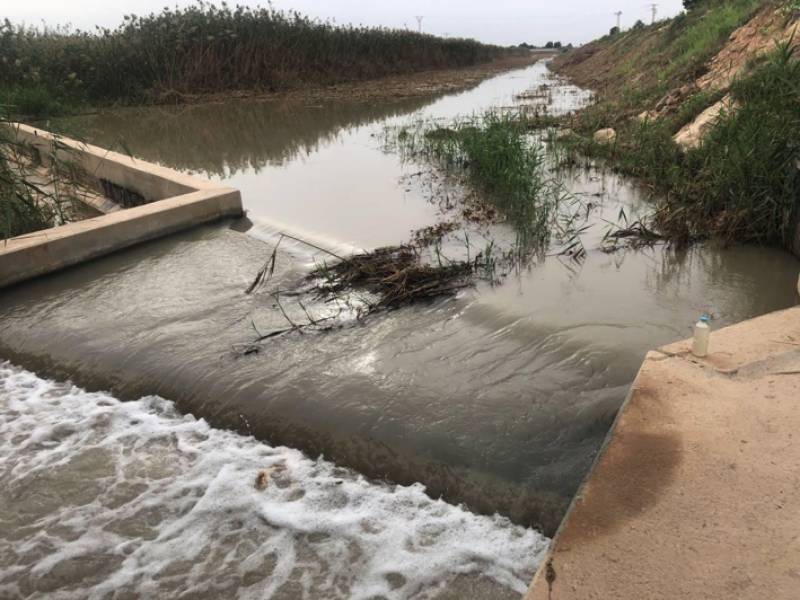 The decree sets out how accidental spills or technical failures will be handled, including incidents such as overflows from storm tanks or treatment systems. It also requires all existing permits to be updated within 12 months, while any discharges that are not currently regulated will need to be brought into compliance within the same period.
A public register will be created listing all discharges into the sea from land. These companies will also need to have what’s referred to as a 'mixing zone'. This is where the wastewater mixes with the sea and pollution is gradually diluted. And pollution levels in this area must still stay within safe environmental limits.
The strictest conditions will apply to the Mar Menor. In general, discharges into the Mar Menor will be prohibited, with exceptions only in specific cases such as accidental releases or technical incidents.
Stricter pollution limits will apply to the Mar Menor than to the rest of the regional coastline, especially for chemicals such as nitrates and phosphates entering the water.
Groundwater containing these chemicals will only be allowed to reach the lagoon if no viable alternative exists and if it has undergone treatment to remove nitrates through denitrification.
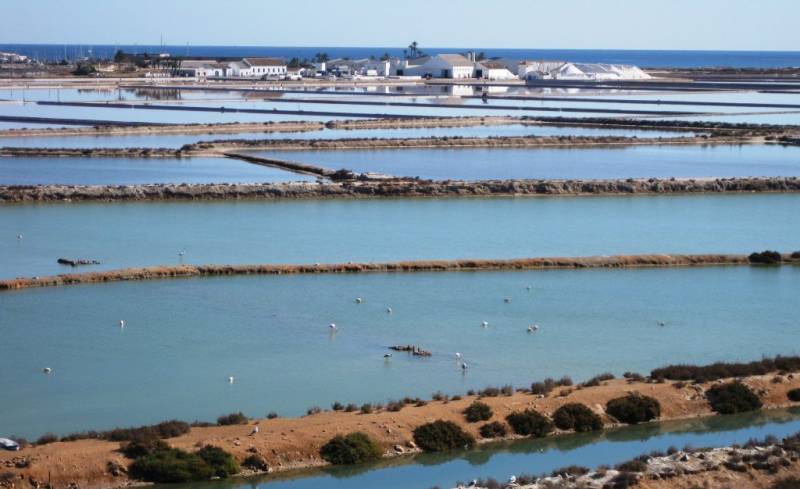 The decree also allows for the use of water from nearby salt flats, such as San Pedro del Pinatar and Marchamalo, to oxygenate areas of the Mar Menor in cases of severe oxygen depletion. Regional authorities say the measure is supported by scientific advice, with technical details to be set out separately.
Monitoring will be strengthened with the help of accredited environmental organisations. A public register will list all authorised discharges into the sea.
Read also: Murcia's new nitrate plan faces criticism from environmental groups
Images1-2: Archive
Image 3: San Pedro Del Pinatar Town Hall