Date Published: 10/08/2026
17 Murcia beaches now offer free assisted bathing this summer
ARCHIVED ARTICLE -
Cartagena has four beaches offering the highest level of accessibility, while three beaches have specially adapted bathing areas in the sea
People with reduced mobility have more options for enjoying the sea this summer with 17 beaches across the Region of Murcia now offering
free assisted bathing services.
That's six more beaches than last year, with the expansion forming part of an ongoing push to make the Costa Cálida more accessible and inclusive.
The latest beach accessibility report has been produced by the Ministry of Tourism, Culture and Sports in collaboration with Famdif/Cocemfe Murcia and looks at the facilities available along the Region's coastline.
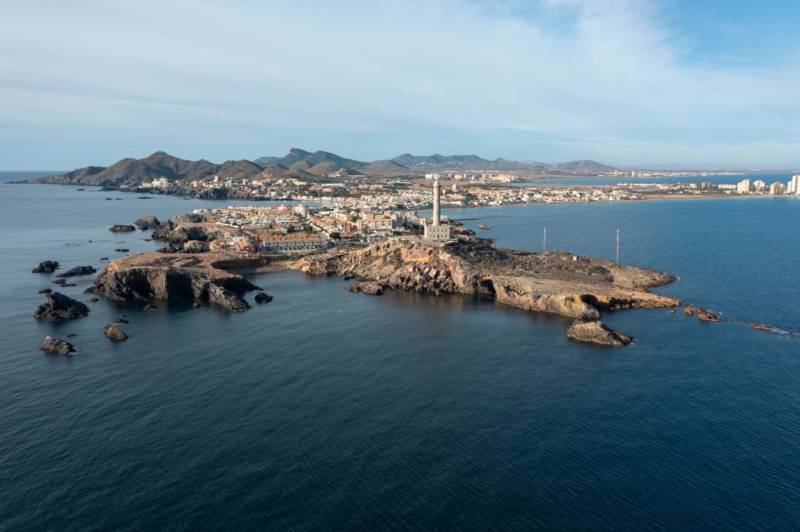
Cartagena has four of the 17 beaches offering the service. They are Levante in Cabo de Palos, Playa Honda, Puerto Bello and San Ginés.
All four have been given the report's highest accessibility classification, known as an ‘accessible point’. This means they have a range of facilities designed to allow people with reduced mobility to use the beach as independently as possible.
These include adapted access routes, changing rooms, toilets, accessible outdoor showers and assisted bathing.
The service in Cartagena has already provided 460 assisted bathing sessions along the coastline, including 160 at Levante Beach since it was introduced.
Cartagena councillor for Social Policy, Equality and Family Cristina Mora said the figures demonstrated the local government's commitment to making the coastline accessible to everyone, with specialist monitors providing the assisted bathing service free of charge.
The council also has more than 20 beaches where bathing assistance is available for people who may need help because they use crutches, walking frames or other mobility aids.
Across the Region, the assisted bathing service is available on six beaches in
Águilas: Calarreona, Poniente, La Colonia, Las Delicias at two points and Calabardina.
There are three in the
Mazarrón Bay area: San Ginés, La Isla and Bahía-La Reya.
Six are located around the
Mar Menor: Mistral, Colón, El Castillico, Puerto Bello, Playa Honda and El Pedruchillo.
The remaining two are on the Mediterranean side of La Manga, at Levante in Cabo de Palos and El Pedrucho.
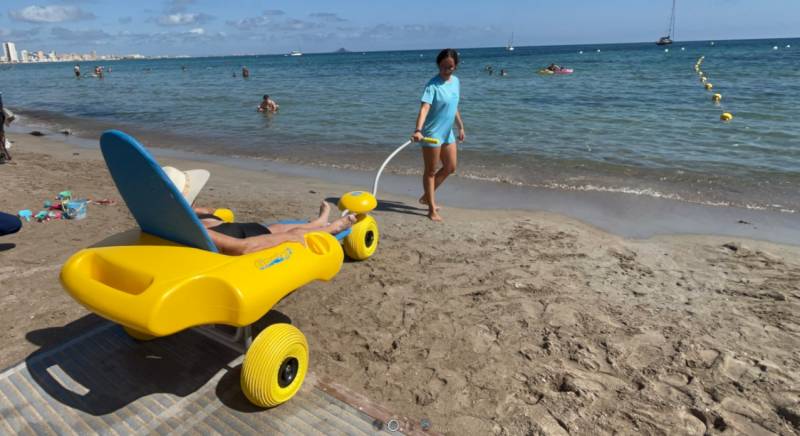
The service uses specialist staff and amphibious chairs, which are designed to make it easier for people with reduced mobility to get from the beach into the sea.
There are also three beaches in the Region with specially adapted bathing areas actually in the water. These are La Colonia in Águilas, Villananitos in San Pedro del Pinatar and El Puerto in Mazarrón.
They have features including access platforms, handrails, submerged seats and shaded areas, allowing people to enter and enjoy the water with greater independence.
Tourism, Culture and Sports Minister Carmen Conesa said accessibility was an important part of creating a higher-quality tourism model and ensuring everyone can enjoy the Region's coastline on equal terms.
The latest accessibility study has also expanded considerably compared with last year's report. Famdif technicians assessed 84 access points across 76 beaches, 10 more beaches than in the previous campaign.
The biggest increase was in Cartagena, where additional beaches were included and more access points were assessed along larger stretches of sand.
Overall, 67 of the 84 access points assessed were classified as accessible, representing 80% of those studied.
The inspections looked at everything from reserved parking and signage to accessible routes, ramps, walkways, adapted toilets and changing rooms. Inspectors also checked for showers, shaded areas, amphibious chairs, walkers and other specialist equipment.
Anyone planning a beach day can check the accessibility information before setting off through the Tourism Region of Murcia website or the ACCEDE Playas mobile app developed by Famdif/Cocemfe Murcia.
The information allows visitors to check the facilities available at individual beaches and plan their trip according to their specific needs.
Image: Ayuntamiento de Cartagena
article_detail

|